Sprog
Sprog 
For at bøje en ledning korrekt skal du matche metoden til materialet og diameteren. For blød wire under 1,5 mm, greb tæt på bøjningspunktet, form rundt om en dorn og overbøj med materialets tilbagespringsvinkel. Til hårdere tråd over 2 mm, eller til enhver produktionskørsel med identiske dele, er en CNC trådbukkemaskine det praktiske valg. Det korte svar dækker alt fra en smykkelås til en bilfjeder, og detaljerne nedenfor forklarer præcis hvorfor.
Trådbøjning mislykkes på en af tre måder: bøjningen knækker, den endelige vinkel er forkert, eller den ydre overflade revner. Alle tre sporer tilbage til den samme grundlæggende årsag: kraft påføres hurtigere, end tråden kan omfordele stress. Rettelsen er identisk på et lille værksted og en stor fjederfabrik: styr bøjningspunktet, styr bøjningshastigheden og kompenser for elastisk genopretning.
Denne vejledning dækker bukkemekanikken, der betyder noget, de manuelle teknikker, der rent faktisk virker, tilbagespring og bøjningsgodtgørelsesberegninger med reelle tal, almindelige fejl og den produktionsgrænse, hvor en CNC-maskine bliver den logiske investering.
En wire bøjer kun plastisk, når bøjningsspændingen ved dens ydre fibre overstiger materialets flydespænding. Under denne tærskel er deformationen elastisk og genopretter sig fuldstændigt, når belastningen fjernes. Dette er grunden til, at en ledning aldrig bliver præcis, hvor du skubber den: den ydre halvdel strækkes, den indre halvdel komprimeres, og grænsen mellem dem, kaldet den neutrale akse, bevarer sin oprindelige længde.
Mængden af tilbagespring efter et bøjning er styret af tre variable: materiale temperament (hårdere temperament lagrer mere elastisk energi), tråddiameter (tykkere ledning kræver mere kraft og viser mere vinkelgenvinding), og indvendig bøjningsradius (en snævrere radius koncentrerer belastningen og øger den elastiske del). Uden at kontrollere disse kommer hver del ud i en anden vinkel.
Tabellen nedenfor viser repræsentative værdier for en 90-graders bøjning dannet omkring en dorn med en diameter svarende til det dobbelte af tråddiameteren. Disse er referencenumre, ikke garantier: det nøjagtige tilbagespring afhænger af kornretning, overfladetilstand og værktøjsgeometri.
| Trådmateriale | Stand / standard | Flydestyrke (MPa) | Springback ved 90 grader |
|---|---|---|---|
| Udglødet kobber, iltfri | Blødt | 50-70 | 1-3 grader |
| Aluminium 5052 | H32 temperament | 190-220 | 3-6 grader |
| Halvhård messing (70/30) | Patron messing | 300-450 | 4-7 grader |
| Rustfrit stål 304 | Forårs temperament | 1.200-1.500 | 8-12 grader |
| Musiktråd | ASTM A228, 0,5–2,0 mm | 1.600–2.400 | 12-18 grader |
Disse tal forklarer, hvorfor en blød kobbertråd kan lokkes til perfekte 90 grader med tommelfingertryk, mens en 2 mm musiktråd stadig sidder i 78 grader efter at være blevet tvunget 10 grader forbi målet. Den elastiske energi, der er lagret i højstyrketråd, er ægte, og den eneste pålidelige måde at håndtere den på er at planlægge efter den.
Til enkelte stykker, prototyper, reparationsarbejde og små prøver er håndværktøj hurtigere end nogen maskinopsætning. Målet er ikke styrke, men kontrol: en ren bøjning laves langsomt, tæt på tangkæberne, med tråden understøttet langs dens længde.
Springback er ikke en fejl; det er en forudsigelig størrelse. Når du kender tilbagespringsvinklen for et givet materiale, diameter og værktøj, kan du beregne den korrekte bøjningsposition, før den første del er lavet.
Forholdet er enkelt: Slutvinkel = Bøjningsvinkel minus Tilbagespringsvinkel. For at slutte ved 90 grader skal du bøje til 90 S grader, hvor S er det målte tilbagespring. For eksempel viser en 1,5 mm rustfrit stål 304-tråd i fjedertemperering ca. 10-12 grader tilbagespring over en 3 mm-dorn. Så hånden eller maskinen skal indstilles til at bøje 100-102 grader, og ledningen vil sætte sig tæt på 90 grader.
Bøjningsgodtgørelsesformel for ledning: L = pi x (D k x d) x theta / 360, hvor L er trådlængden, der forbruges af bøjningen, D er bøjningens indvendige diameter, d er tråddiameteren, theta er bøjningsvinklen i grader, og k er en neutralaksefaktor på 0,33 for snævre bøjninger op til 0,5 for store radier.
Bearbejdet eksempel: 2 mm wire, 10 mm indvendig diameter, 90-graders bøjning, k = 0,4. L = 3,14 x (10 0,4 x 2) x 90 / 360 = 3,14 x 10,8 x 0,25 = 8,48 mm. I praksis bruger denne bøjning omkring 8,5 mm lige trådlængde. Brug af denne formel eliminerer konsekvent den mest almindelige kilde til dellængdefejl.
| Tråddiameter | Blødt copper | Aluminium 5052-H32 | Blødt stål | Fjederhærdet stål |
|---|---|---|---|---|
| 0,5 mm | 0,5 mm | 0,8 mm | 1,0 mm | 1,5 mm |
| 1,0 mm | 1,0 mm | 1,5 mm | 2,0 mm | 3,0 mm |
| 2,0 mm | 2,0 mm | 3,0 mm | 4,0 mm | 6,0 mm |
| 4,0 mm | 4,0 mm | 6,0 mm | 8,0 mm | 12 mm |
Hvis din applikation kræver en radius under disse værdier, vil de ydre fibre revne, og delen vil svigte senere under træthed. De praktiske løsninger er at skifte til udglødet tråd før formning, bruge en større dorn, eller i produktionen lade CNC-programmet fordele bøjningen over flere trin.
De fleste ledningsbøjningsproblemer er konsekvente og kan undgås. Tabellen nedenfor viser de seks fejl, der ses oftest i værksteder, med den praktiske rettelse for hver.
| Fejl | Typisk resultat | Praktisk løsning |
|---|---|---|
| Bøjning for tæt på tangspidser | Knæk eller hak ved bøjningsroden | Flyt ledningen dybere ind i kæberne og bøj mod den flade base af kæben |
| Bøjer sig i en pludselig bevægelse | Revner på den strakte yderside | Påfør kraft gradvist i to eller tre trin |
| Ignorerer tilbagespring | Slutvinklen er altid for bred | Overbøj af tilbagefjedringsvinklen fra tabel 1 |
| Forkert dornstørrelse | Overdimensionerede eller sammenklappede bøjninger | Tilpas dornens diameter til den nødvendige indvendige radius |
| Genbøj det samme sted gentagne gange | Arbejdshærdning fører til sprøde brud | Minimer korrektioner eller udglødning før formning |
| Måling fra det forkerte referencepunkt | Dele kommer ud korte eller lange ved bøjningsgodkendelsen | Mål fra indersiden af bøjningen og tilføj godtgørelsen fra formlen |
Manuel bøjning har en skjult pris: konsistens. En erfaren operatør har en tolerance på ca. plus eller minus 0,5 mm over en række dele. En CNC trådbukkemaskine holder plus eller minus 0,05 mm, hvilket er 10 gange strammere, og det gør den uden træthed, humør eller distraktion. Beslutningen om at skifte handler ikke om færdigheder; det handler om tal.
I praksis kommer overgangspunktet omkring 500 stykker om måneden for ledninger i intervallet 1,5–4 mm. Under denne volumen kan maskinens opsætningstid muligvis ikke betale sig tilbage; over det falder prisen pr. del kraftigt. En detaljeret sammenligning af omkostninger pr. del, værktøj og vedligeholdelse er tilgængelig i vores industriel wire bukker komplet købervejledning .
Et realistisk eksempel: En producent, der producerer 1.800 identiske bøjede trådbeslag om måneden, hver med to 90-graders bøjninger og en 45-graders bøjning, kan køre en enkelt 4-akset CNC fjedertråd bukkemaskine og erstatte to fuldtidsansatte manuelle arbejdere. Maskinen holder hver vinkel inden for plus eller minus 0,1 mm, og den årlige tilbagekaldelsesrate for geometrifejl falder til næsten nul.
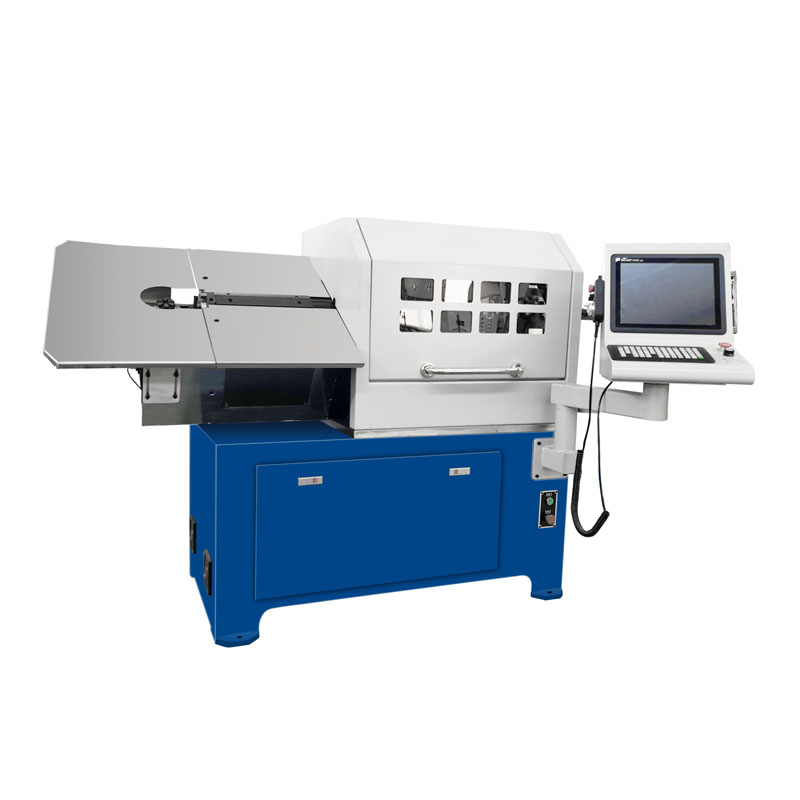 Kina CNC fjederbøjningsmaskineproducenter, leverandører WNJ er en kinesisk brugerdefineret fjederbøjningsmaskineproducenter og fjederbøjningsmaskineleverandører, tilbyder ZW-480 4AXIS CNC SPRING WIRE BENDI... Se produkt →
 En CNC trådbukkemaskine er ikke en tang med motor. Det er et servostyret formningssystem, der tilfører tråd, roterer formhovedet og svinger bøjearmen i koordineret bevægelse. Outputtet er et sæt 3D-koordinater, der kan gentages nøjagtigt på enhver anden maskine, der kører det samme program.
En 4-akset maskine dækker størstedelen af beslag, kroge og rammer, der bruges på tværs af bilindustrien og byggebranchen. For dele, der også har brug for oprullede sektioner, tilføjer en 6-akset eller 7-akset maskine spolefunktionen i samme cyklus. Det er derfor moderne CNC trådbukkemaskiner er bygget som konfigurerbare platforme snarere end enkeltformålsværktøjer.
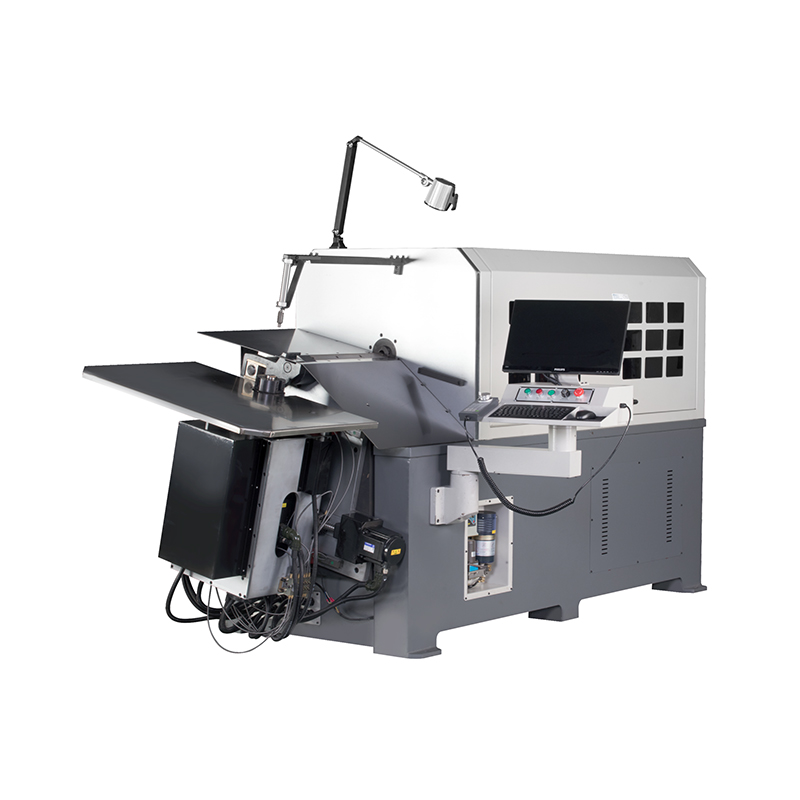 WNJ maskine | Engros CNC Wire Bending Machine Factory, Company Omnipotent Spring Machine Co., ltd (WNJ Machine) er en Kina CNC Wire Bending Machine Factory og Wire Bukkemaskine Company, tilbyder hele... Se produkt →
 Styresystemet gemmer et tilbagespringsbord for hver materialefamilie. Når operatøren går ind i en målvinkel på 90 grader, bøjer maskinen automatisk til 90 S grader, hvor S kommer fra bordet. Operatøren justerer kun S, når ledningspartiet ændres. Dette fjerner den mest variable del af manuel formning, som er det menneskelige bud på, hvor langt man skal overbøje.
En servodrevet trådbukkemaskine når cyklustider på 1.500-3.000 stykker i timen for små beslag, og den kan holde positionel repeterbarhed inden for /−0,05 mm over et fuldt skift. Den praktiske grænse for en trådbukkemaskine er tråddiameter og værktøjsgeometri, ikke hastighed. En maskine, der er klassificeret til 4 mm tråd, kan bøje de fleste 0,5-4 mm materialer, men den har brug for et andet værktøjssæt for hvert diameterområde.
For komponenter, der er ægte spiralfjedre frem for bøjede ledninger, er den bedre pasform en dedikeret spole. I så fald, a 6/7-akset CNC fjeder coiling maskine kan producere tryk- og forlængerfjedre med et diameterområde på ca. 1,5-8 mm i en enkelt gennemløb. At kende forskellen mellem en trådbukker og en fjederspole forhindrer at købe den forkerte maskine.
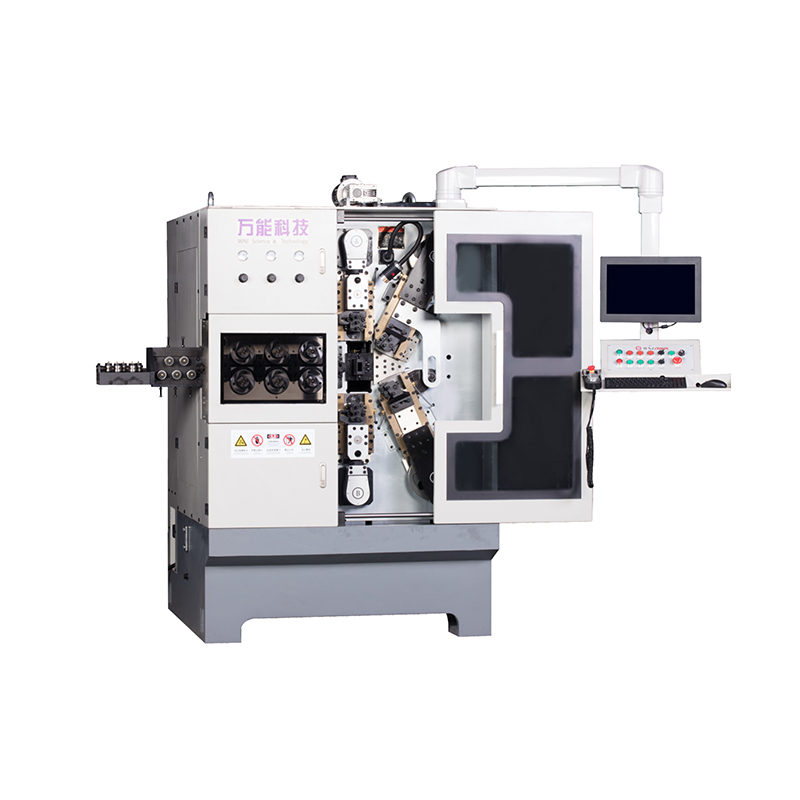 Brugerdefineret TK-760 6-7 AKSE CNC FJEDER KOILMASKINE Fabrik, selskab - WNJ Machine Zhejiang Omnipotent Spring Machine Co., ltd (WNJ Machine) er en Kina Wholesale TK-760 6-7AXES CNC SPRING COILING MACHINE fabrik og... Se produkt →
 Hvis du vil have de mekaniske detaljer bag formhovedet, fremføringssystemet og kontrolsløjfen, kan du læse vores artikel om hvordan en bukkemaskine fungerer forklarer mekanismen trin for trin.
Brug rundtang til kurver, fladtang til 90 graders hjørner og en dorn for ensartede diametre. Overbøj af tilbagespringsvinklen for det specifikke materiale. For mere end et par hundrede identiske stykker fjerner en CNC-trådbukkemaskine gætværket fuldstændigt.
Tråd er elastisk op til sin flydespænding. Den elastiske del kommer sig, så snart kraften fjernes. Tilbagefjedringen øges med højere flydespænding og med snævrere bøjningsradier. Løsningen er altid overbøjning af den målte tilbagespringsvinkel, ikke stærkere kraft.
Til blødt stål skal du bruge mindst 1x tråddiameteren. Til fjederhærdet stål og musiktråd skal du bruge 2-3x diameteren. Bøjning under disse værdier knækker de ydre fibre og reducerer træthedslevetiden. Den fulde liste over almindelige materialer er vist i tabel 2 ovenfor.
Ja, med to betingelser: Hold radius over 2-3 gange diameteren, og bøj gradvist i kontrollerede trin i stedet for med et enkelt slag. En CNC-trådbukkemaskine er bedre egnet, fordi den anvender nøjagtig hastighed og vinkel, hvorfor højstyrketråd næsten altid dannes på maskiner i produktionen.
Brug formlen L = pi x (D k x d) x theta / 360. For en 90-graders bøjning med k = 0,4, L = 0,785 x (D 0,4d). Tilføj dette tillæg til hvert lige segment mellem bøjninger.
Skift, når tolerancen er under /−0,1 mm, når volumen er over 500 identiske dele pr. måned, eller når geometrien er tredimensionel med bøjninger i flere planer. For en dybere sammenligning af hastighed, nøjagtighed og værktøjseffekter på output, se vores bukkemaskinens ydeevne artikel.
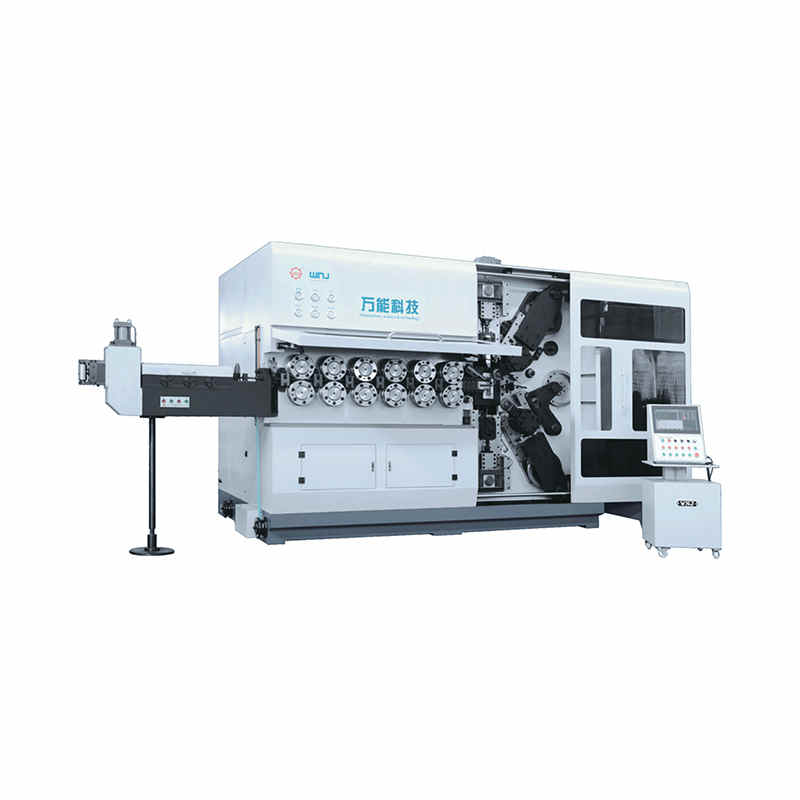
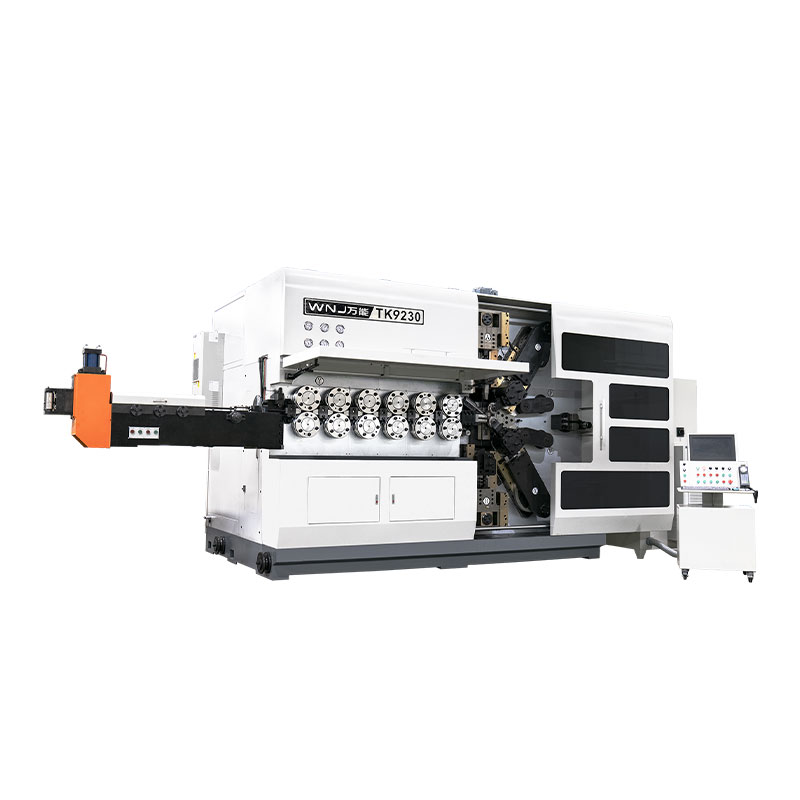
TK-13200, TK-7230 TK-13200、 TK-7230 12AKSET CNC-FJEDER KOLEMASKINE ...
Se detaljer
TK-13200, TK-7230 TK-13200、 TK-7230 12AKSET CNC-FJEDER KOLEMASKINE ...
Se detaljer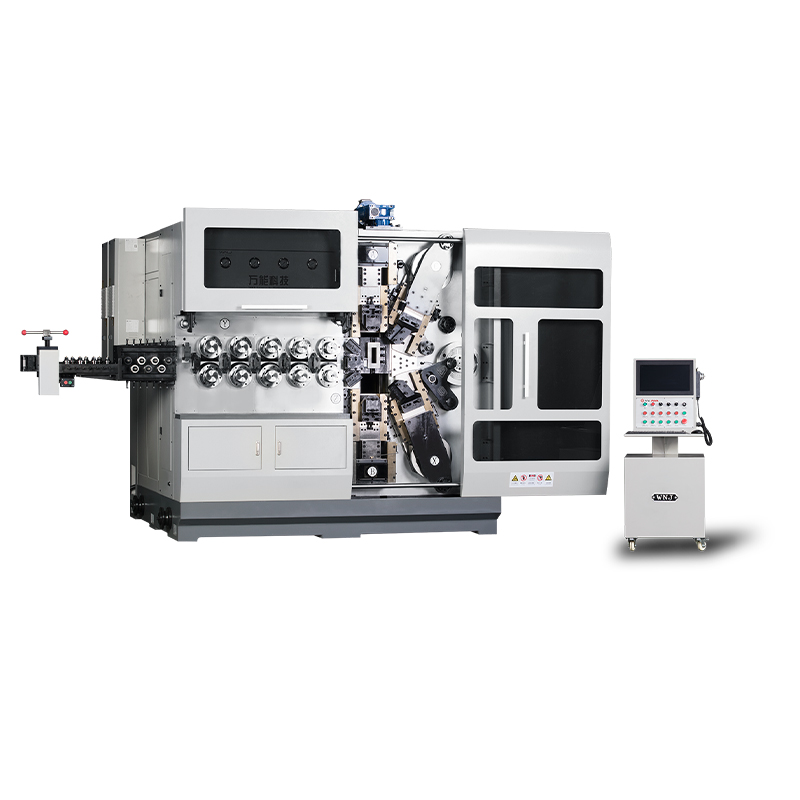
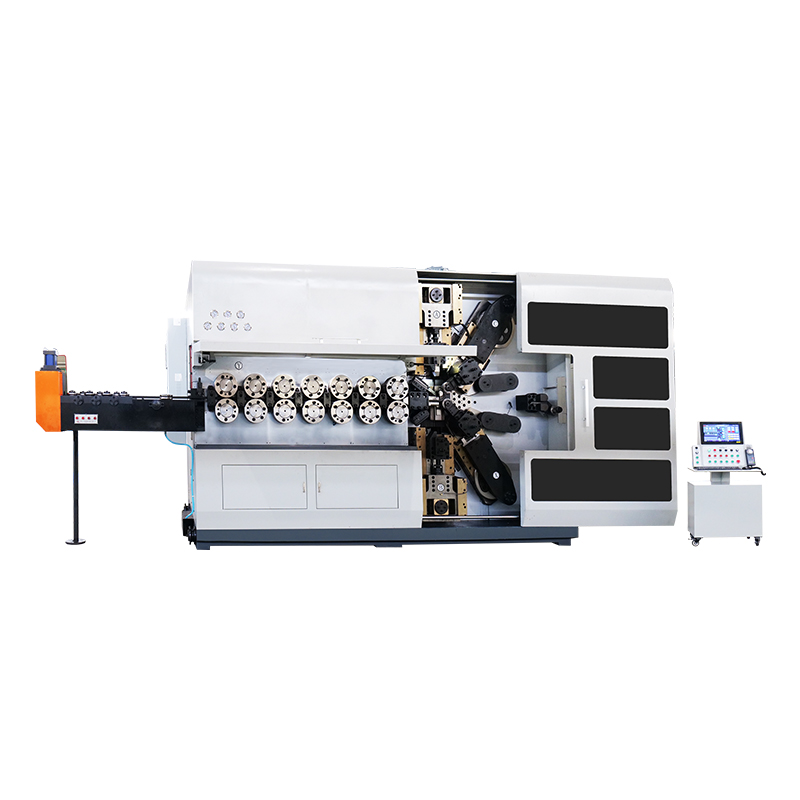
TK12120 TK-12120 12AXES CNC FJEDER KOLEMASKINE ...
Se detaljer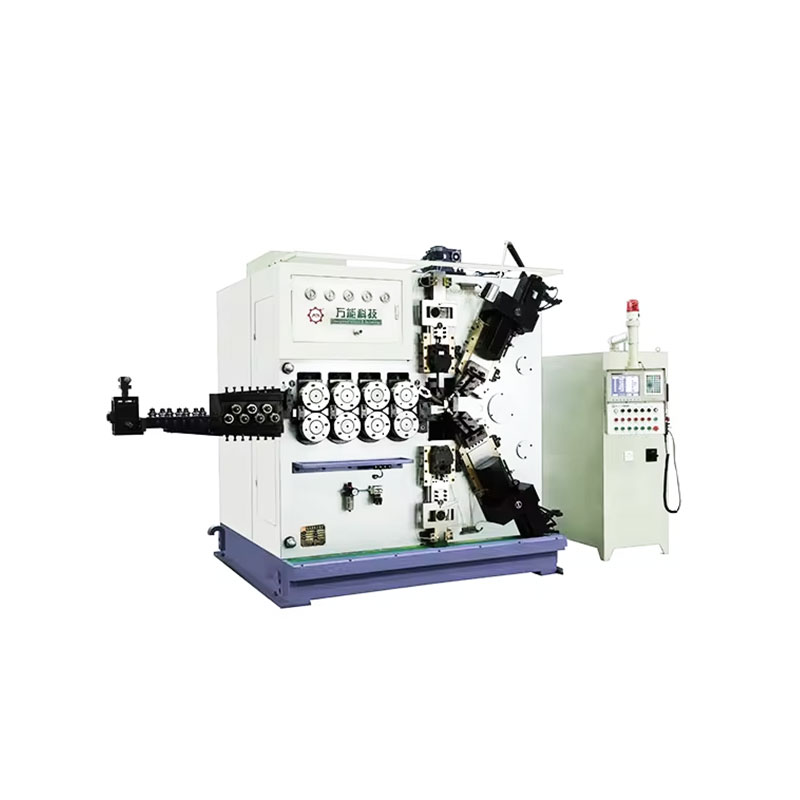
TK-6160 TK-6160 CNC FJEDERRULLEMASKINE ...
Se detaljer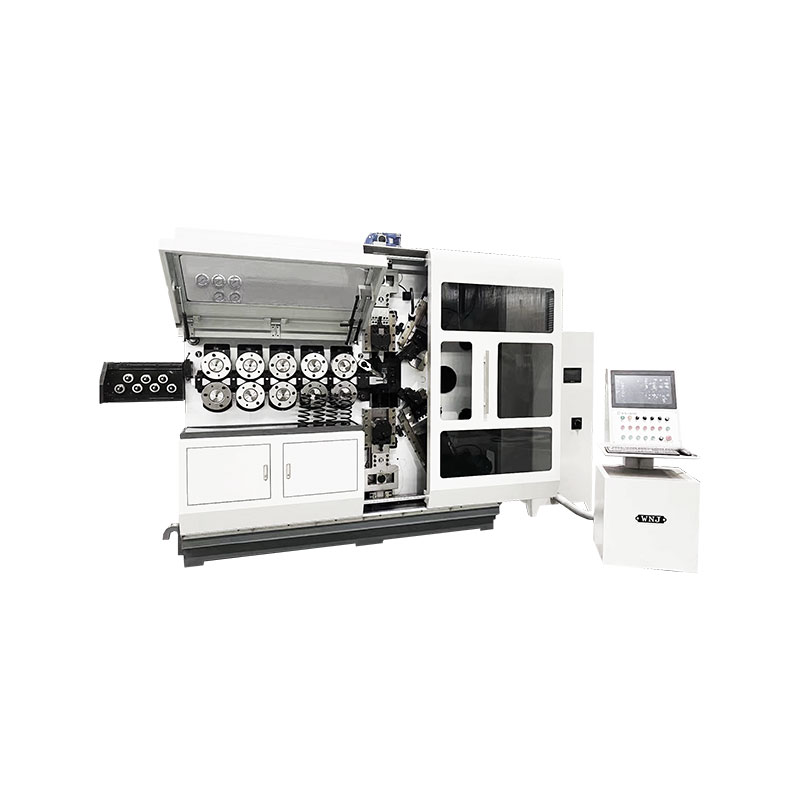
TK-6120 TK-6120 CNC FJEDERRULLEMASKINE ...
Se detaljer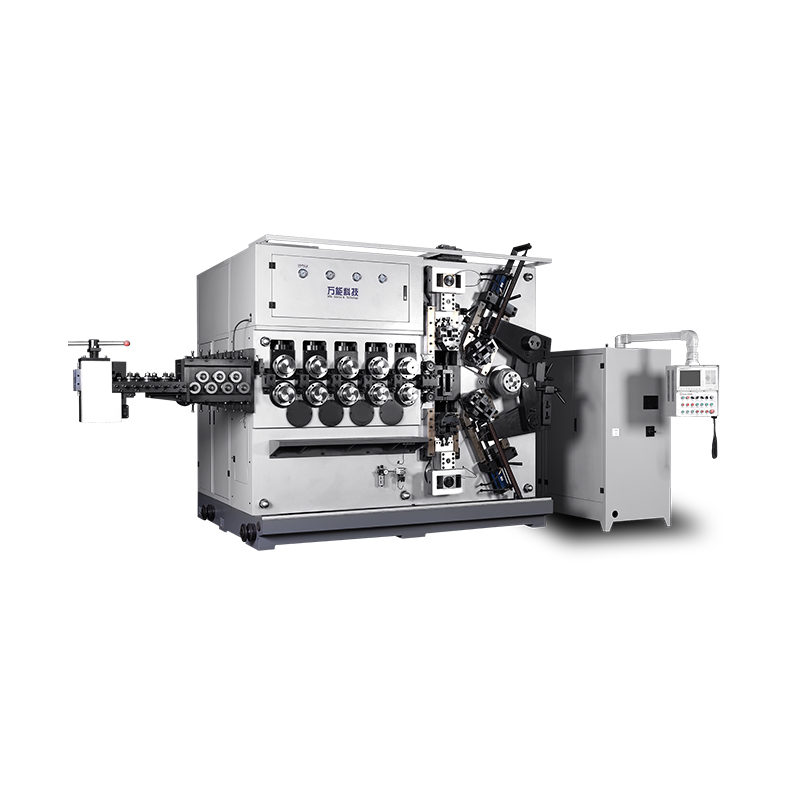
TK-5200 TK-5200 5-AKSET CNC-FJÆDER-SPOLEMASKINE ...
Se detaljer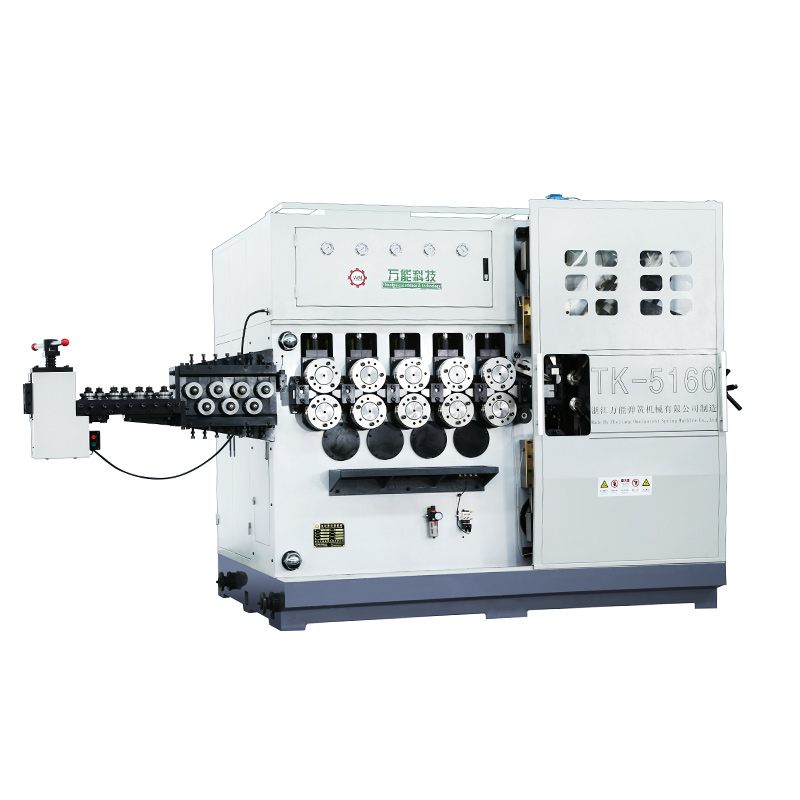
TK-5160 TK-5160 5-AKSET CNC-FJÆDER-KOILINGSMASKINE ...
Se detaljer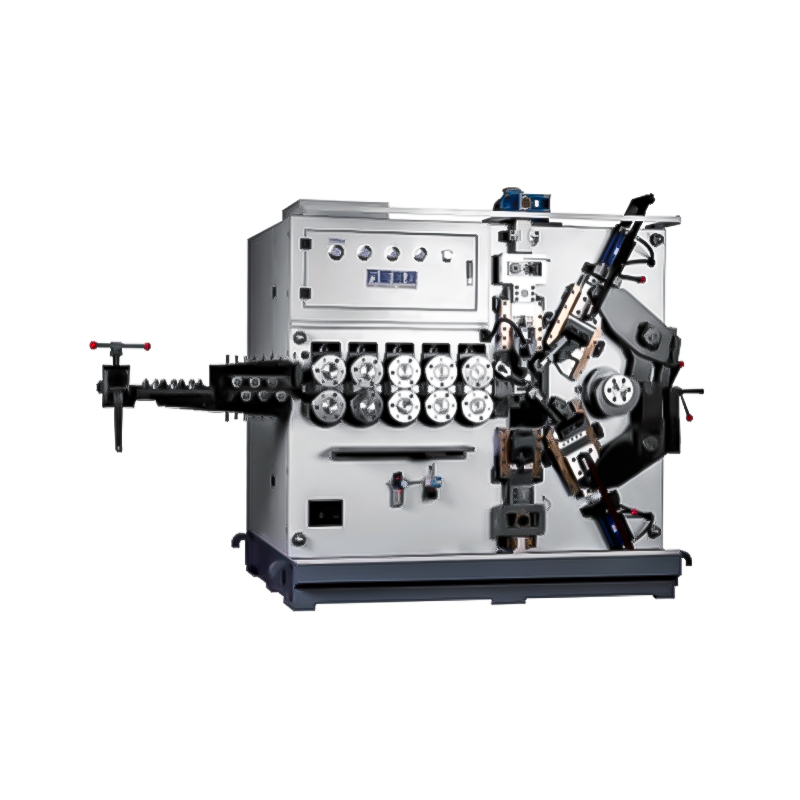
TK-5120 TK-5120 5-AKSET CNC-FJÆDER-SPOLEMASKINE ...
Se detaljerMobil QR-kode